
Most mowers crank but won’t start due to fuel, spark, air, or timing issues.
If your engine spins but never fires, you’re not alone. I’ve diagnosed hundreds of no-start mowers. In this guide, I’ll show you exactly how to fix Why Is My Lawn Mower Turning Over But Not Starting. You’ll learn the real causes, smart tests, and quick wins. This is friendly, field-tested advice that saves time and money.

The starting basics: fuel, air, spark, compression, and timing
Every small engine needs five things to start. It needs fresh fuel. It needs clean air. It needs a strong spark at the right time. It needs enough compression. And it needs safety systems that allow the engine to fire.
When asking Why Is My Lawn Mower Turning Over But Not Starting, think simple first. Bad fuel is common. So are clogged jets, soaked plugs, and weak batteries. We will walk the stack in order, just like a pro would.
I’ll point out what I look for in the shop. I’ll also share quick tests you can do at home. Most fixes take a few tools and 10–20 minutes.
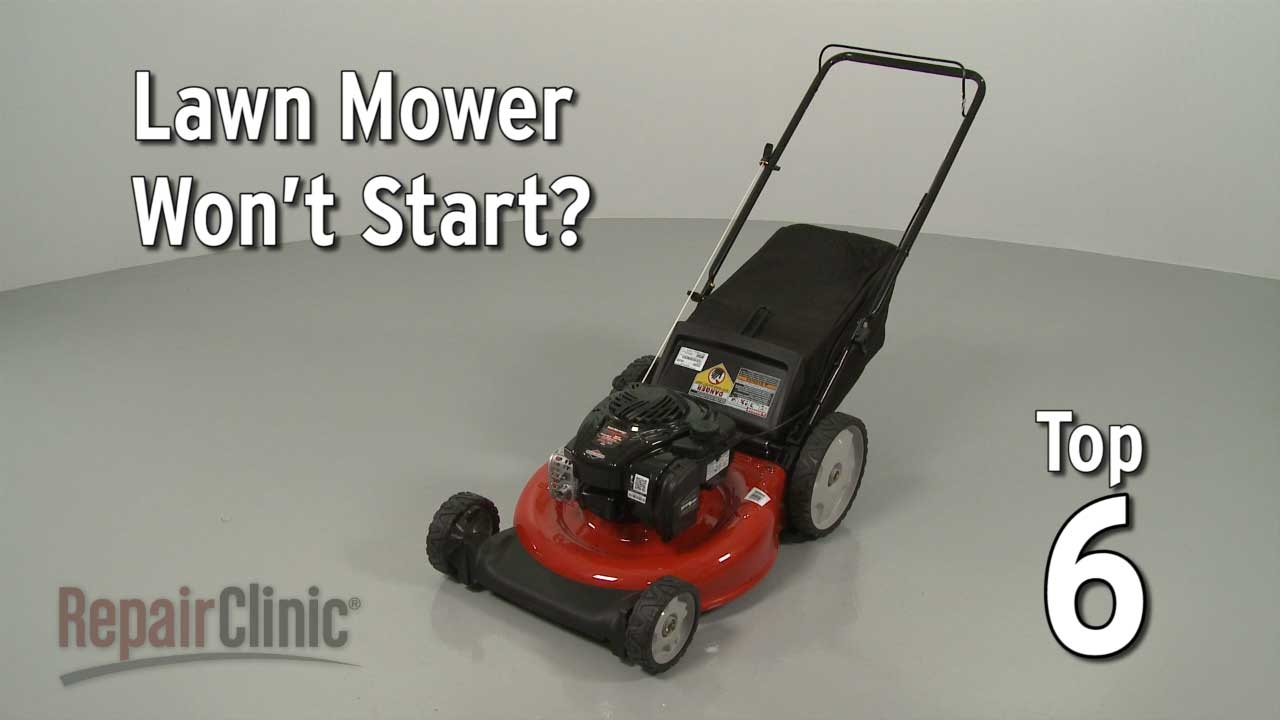
A 60‑second triage you should do first
Before you tear things apart, try this fast check. It often gives the answer at once.
- Confirm the basics: Is there fresh gas, the fuel valve open, and the choke set?
- Pull the plug wire, fit a spark tester, and crank: Strong blue spark means ignition is alive.
- Spray a tiny shot of carb cleaner into the intake, then crank: If it fires, fuel delivery is the issue.
- Check the air filter: If it is soaked or packed, test a start with it removed.
- For riders, watch cranking speed: Slow crank can mean low voltage and weak spark.
Why Is My Lawn Mower Turning Over But Not Starting often comes down to one of these checks. This simple flow can save an hour of guessing. Make notes as you go so you don’t miss a clue.

The most common reasons it cranks but won’t fire
Below are the top causes I see in the shop. Each has quick tests and fixes you can try at home.
Stale or contaminated fuel
- What happens: Modern gas goes bad in 30–60 days. Ethanol draws water. Jets gum up.
- Signs: Sour smell, dark gas, won’t start after storage.
- Fix: Drain tank and bowl. Refill with fresh, ethanol-free gas if you can. Add a quality cleaner.
Flooded engine
- What happens: Too much fuel wets the plug. Spark can’t jump.
- Signs: Strong fuel smell, wet plug, popping but no start.
- Fix: Hold throttle wide open or turn choke off. Remove and dry the plug. Let it sit 15 minutes.
Clogged carburetor or main jet
- What happens: Varnish blocks tiny passages. Fuel can’t atomize.
- Signs: Fires on spray but not on its own. No start after sitting.
- Fix: Pull the bowl. Clean the jet and emulsion tube with carb cleaner. Replace the bowl gasket.
Dirty or soaked air filter
- What happens: Starved air leads to rich mix.
- Signs: Black smoke on brief starts, wet or dusty filter.
- Fix: Replace paper filters. Wash foam pre-filters with soapy water and dry fully.
Weak or no spark (plug, coil, or kill circuit)
- What happens: Old plugs or weak coils fail under load.
- Signs: Orange or no spark on a tester.
- Fix: Install a new, correct plug and set the gap. If still dead, test the coil and kill wire.
Safety switches blocking ignition
- What happens: Bail bar, seat, brake, PTO, or neutral switches cut spark or fuel.
- Signs: Cranks strong but never fires unless a lever is held just right.
- Fix: Confirm all controls are in the start position. Test each switch for continuity. Replace if bad.
Choke or primer not working
- What happens: No enrichment on cold start.
- Signs: Needs spray to start cold but runs warm.
- Fix: Check choke plate movement. Replace stiff primer bulbs and cracked lines.
Fuel cap vent blocked
- What happens: Vacuum in the tank stops flow.
- Signs: Loosening cap helps it start or run.
- Fix: Clean or replace the vented cap.
Solenoid on carb bowl stuck (many riders)
- What happens: No fuel to main jet.
- Signs: Click at key but no start. Fires on spray.
- Fix: Unplug and test for 12V at key-on. Remove and clean or replace the solenoid.
Low battery or slow cranking (riders)
- What happens: Starter spins, but too slow for strong spark.
- Signs: Heavy draw, dim lights, click-click starts.
- Fix: Charge the battery to 12.6V+. Clean grounds. Replace a weak battery.
Sheared flywheel key (timing off)
- What happens: After a blade hit, the key can shear and shift timing.
- Signs: Loud backfire, pulls rope from your hand, no start.
- Fix: Remove the flywheel. Install a new key and torque the nut to spec.
Low compression or valve issues
- What happens: Worn rings, head gasket, or tight valves.
- Signs: Very easy pull, low PSI on gauge, hissing at carb or exhaust.
- Fix: Set valve lash. Replace gasket. See a pro if compression is low.
Why Is My Lawn Mower Turning Over But Not Starting often points to fuel and spark. Start there. Work toward timing and compression last. It keeps the job quick and clear.

Step‑by‑step troubleshooting checklist
Follow this order. It mirrors how I diagnose in the field.
- Fuel
- Drain and replace old gas.
- Crack the carb bowl drain. Confirm clean fuel flow.
- Air
- Inspect and replace the air filter if dirty.
- Check for mouse nests in the shroud or intake.
- Spark
- Test with an inline spark tester. Look for a blue snap.
- Replace the plug. Inspect the coil gap if needed.
- Enrichment
- Confirm choke closes fully on cold start.
- Replace hard or cracked primer bulbs.
- Carburetor
- Remove bowl. Clean the main jet and needle seat.
- If still bad, install a rebuild kit or a new carb.
- Safety circuits
- Verify bail bar, seat, brake, neutral, and PTO switches.
- Bypass for testing only if you know how and can do it safely.
- Timing and compression
- Check flywheel key if you hit something.
- Run a compression test. Set valve lash to spec.
If you work through this list, you will solve most cases of Why Is My Lawn Mower Turning Over But Not Starting. Take photos as you go. It helps with reassembly and future care.

Push mowers vs riding mowers: key differences
Push and self-propelled mowers are simple. Fuel, air, and spark solve most issues. The brake/bail bar must be held for spark. The carb is easy to reach. The battery is not a factor.
Riders add more parts. There is a battery, starter, solenoid, key switch, and safety interlocks. A weak battery can cause cranking without enough spark. A bad carb bowl solenoid is also common.
So, Why Is My Lawn Mower Turning Over But Not Starting on a rider may be electrical. On a push mower, it is often fuel. Use the right flow for each style.

Preventive maintenance to avoid no‑start headaches
Small steps stop big problems. Set a simple routine and stick to it.
- Fuel care
- Use fresh gas. Add stabilizer at every fill.
- Prefer ethanol-free fuel if available.
- Annual service
- New spark plug, air filter, and oil change each season.
- Clean the carb bowl and jet if storage was long.
- Storage
- Run it dry or use stabilized fuel. Store in a dry place.
- Keep the tank near full to reduce water from humidity.
- Blade and impact care
- Sharpen blades. Avoid hidden stumps.
- If you hit something, check the flywheel key.
These steps cut the odds of Why Is My Lawn Mower Turning Over But Not Starting next spring. They cost little and pay back fast.

When to call a pro (and what it might cost)
Some jobs need tools or training. If compression is low, timing is off, or wiring is a mess, call a tech. Also call if your mower is under warranty.
Typical shop costs in my area:
- Carb clean or swap: 60–150 USD plus parts
- Ignition coil: 80–160 USD plus parts
- Valve lash and gasket: 120–220 USD plus parts
- Electrical diagnosis on riders: 90–180 USD
If repair costs near half the value, consider replacement. Still stuck on Why Is My Lawn Mower Turning Over But Not Starting? A 30-minute pro check can save a weekend.
Safety notes you should not skip
Safety matters every time. A few minutes here can prevent injury.
- Pull the spark plug wire before any blade or carb work.
- Work outdoors or in a vented area. Gas fumes build fast.
- Keep a fire extinguisher nearby when handling fuel.
- Never bypass safety switches for use. Test only, then fix the cause.
When you chase Why Is My Lawn Mower Turning Over But Not Starting, do it calm and safe. No shortcut beats keeping your hands intact.

Frequently Asked Questions of Why Is My Lawn Mower Turning Over But Not Starting
Why does my mower only start with starting fluid?
It means the engine has spark, but fuel is not reaching the cylinder. Clean the carburetor main jet, check the fuel solenoid, and confirm the choke works.
Could a bad battery still let it crank but not start?
Yes. Low voltage can spin the starter yet give weak spark. Charge the battery to 12.6V or replace it if it will not hold a charge.
How long does gasoline stay good?
About 30–60 days without stabilizer. Use fresh fuel, add stabilizer, and avoid long storage with E10 if you can.
What if I hit a rock and now it won’t start?
You may have a sheared flywheel key, which throws off timing. Replace the key and torque the flywheel nut to spec.
How do I know if the engine is flooded?
You will smell fuel, and the spark plug will be wet. Open the throttle, turn off the choke, dry the plug, and try again after 15 minutes.
Can a dirty air filter stop a cold start?
Yes. A clogged or soaked filter restricts air and makes the mix too rich. Replace the filter and test with the cover on.
Are safety switches a common cause?
Very. Seat, brake, neutral, and blade switches can block spark or fuel on riders. Verify each switch is working before deeper repairs.
Conclusion
A mower that cranks but won’t fire almost always points to fuel, spark, air, or timing. Start with fresh gas, a new plug, and a quick carb check. Work the checklist in order, and note each result. With this approach, Why Is My Lawn Mower Turning Over But Not Starting becomes a simple, step-by-step fix.
Ready to get it running? Grab fresh fuel, a plug, and a spark tester, then follow the triage. If you found this helpful, share it, subscribe for more DIY guides, or leave a comment with your results.