

Use a leaf blower to force lint outside through a short, straight vent run.
If you want faster drying, lower bills, and a safer laundry room, learn how to clean a dryer vent with a leaf blower the right way. I’ve done this on many homes and will show you when it works, when it doesn’t, and exactly how to do it without making a mess or breaking code. Read on for a simple, proven method with pro tips, safety notes, and real results.

Why and when a leaf blower works for dryer vents
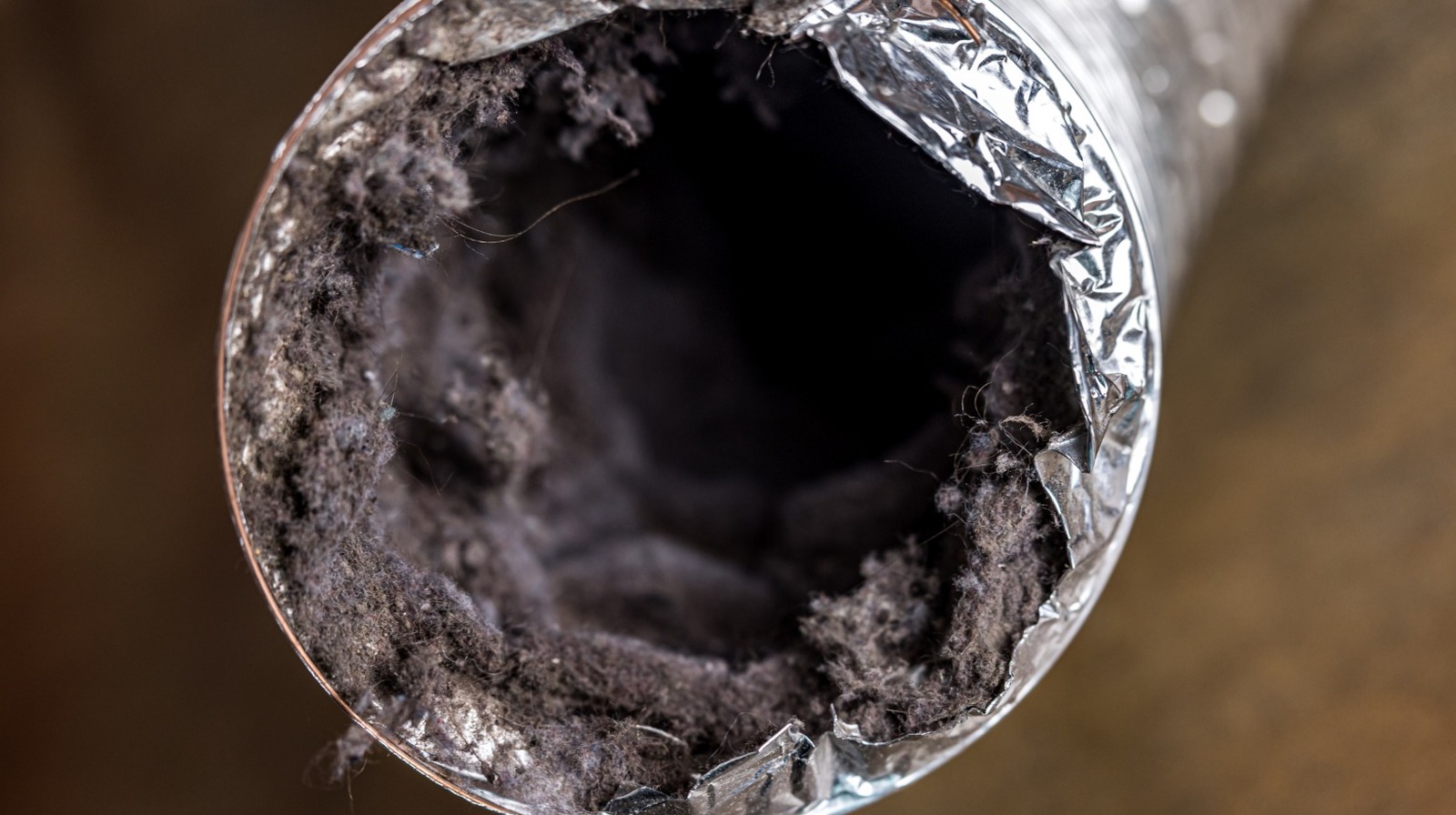
Cleaning a dryer vent keeps your dryer safe and efficient. Lint is dry and flammable. National fire data shows thousands of home dryer fires each year, often due to a clogged vent. A clean vent moves hot air out fast and helps clothes dry in one cycle.
A leaf blower can work well, but only in the right setup:
- Best case: A short, straight vent run to the outside with smooth metal pipe.
- Not ideal: Long runs, many bends, crushed flex hose, or roof exits with bird guards.
- Never use on vents with screens. Screens trap lint and cause clogs.
From experience, I use a leaf blower only when the run is under about 10–15 feet with zero to one elbow. If you have a long run or many turns, I’ll show options later. This guide explains how to clean a dryer vent with a leaf blower safely and how to check airflow after the job.

Tools you’ll need
Gather the right tools before you start. It saves time and helps avoid dust in your home.
- Leaf blower with a round nozzle. Electric is easiest indoors.
- Screwdriver or nut driver. For removing hose clamps.
- Aluminum foil tape and new worm-gear clamps. For secure, code-friendly joints.
- Vacuum with crevice tool. To clean behind the dryer and the lint trap area.
- Dryer vent brush kit. Useful if the blower cannot clear a stubborn clog.
- Heavy-duty trash bag or tarp. To catch lint at the exterior hood.
- Painter’s tape or a rubber coupling. To seal the blower nozzle to the duct.
- Safety gear. Eye protection, dust mask, and work gloves.
- Flashlight. For checking the duct and transition hose.
These tools are all you need for how to clean a dryer vent with a leaf blower in most simple setups.

Step-by-step: How to clean a dryer vent with a leaf blower
Follow these steps slowly. Keep safety first. Aim to push lint outside, not into the house.
- Power and gas safety
- Unplug the dryer. If gas, close the gas shutoff valve and do not disturb the gas line.
- Access the duct
- Pull the dryer away from the wall.
- Loosen the clamp and remove the transition hose from the wall duct.
- Inspect the hose. Replace vinyl or thin foil flex with UL-listed flexible metal or rigid metal.
- Prep the exterior
- Go outside. Remove the vent hood cover if needed. The damper flap should move freely.
- Remove any screen. Screens are not allowed and will trap lint.
- Seal the blower to the duct
- Back inside, insert the leaf blower nozzle into the wall duct that leads outdoors.
- Seal the gap with painter’s tape, a rubber coupling, or a towel wrap to prevent blowback.
- Protect the outdoors
– Have a helper hold a large trash bag or set a tarp under the exterior hood.
- Wear a dust mask. Lint dust can be heavy.
- Blow out the lint
- Start the leaf blower on low. Use 5–10 second bursts.
- Watch outside for lint clouds. Increase power as the flow improves.
- Gently tap along the duct line to loosen stubborn lint while you blow.
- Clean inside the dryer
- Vacuum the lint trap housing and the area behind and under the dryer.
- Wipe any dust on the back panel and floor.
- Reassemble the system
- Reconnect the transition hose. Use a clamp at both ends.
- Seal seams with aluminum foil tape. Do not use screws into the duct.
- Test the airflow
- Run the dryer on air fluff. Go outside. The damper should open wide with steady airflow.
- If airflow is weak, repeat short bursts or switch to a brush kit.
- Final safety check
- Restore power. For gas dryers, open the gas valve and check for leaks with a soapy water test if you disturbed any fittings.
That is the core method for how to clean a dryer vent with a leaf blower. If lint does not clear within a few bursts, stop and switch methods to avoid packing lint deeper.

Safety, codes, and common mistakes
Dryer exhaust has rules because heat, lint, and gas fumes can be dangerous. Keep these points in mind.
- Duct type. Use 4-inch smooth metal duct for the main run. Avoid plastic or thin foil flex. Keep the transition hose as short and straight as possible.
- Length limits. Many dryers allow about 25–35 feet of duct, minus 5 feet per 90-degree elbow. Check your manual for your model’s exact limits.
- Gas dryers. Never blow lint toward the dryer cabinet on a gas unit. Keep the blower pointed toward the outdoors only.
- Roof vents. Avoid using a leaf blower on tall roof vents. Lint can trap at the cap.
- Fire facts. Failure to clean is a leading cause of dryer fires. Lint is fuel. Clean the vent at least once a year, and clean the lint screen every load.
- Don’t blow from outside in. That can push lint into the dryer cabinet or living space.
- Don’t use duct tape. Heat dries it out. Use foil tape and clamps instead.
If you feel heat, smell burning, or hear rattling in the wall, stop at once. Switch to a brush kit or call a pro.

How to tell it worked: airflow tests and troubleshooting
A good vent feels like a steady breeze.
Simple tests:
- Damper test. The exterior flap should open fully and stay open during a cycle.
- Tissue test. Hold a tissue at the hood. It should blow out strongly.
- Time test. A normal load should dry in one cycle. If it still takes two, lint remains.
If airflow is still weak:
- Check for crushed hose behind the dryer.
- Look for hidden elbows inside the wall.
- Run a dryer vent brush from indoors to out.
- If the run is long or complex, hire a certified vent cleaner.
These checks let you confirm how to clean a dryer vent with a leaf blower actually solved the problem and did not leave a clog in place.
Maintenance plan and prevention
A small routine prevents big headaches.
- After each load. Clean the lint screen.
- Every 3 months. Vacuum the lint screen housing. Wash the screen with soap if you use dryer sheets.
- Every 6–12 months. Clean the duct. If you dry pet hair or heavy towels often, clean more often.
- Upgrade parts. Use a low-profile, damper-style exterior hood with no screen. Replace crushed flex.
- Monitor heat. If the dryer or laundry room gets very hot or humid, check the vent at once.
- Consider an airflow alarm. Some sensors alert you when flow drops.
These habits support how to clean a dryer vent with a leaf blower by keeping the path clear year-round.

Pros, cons, and alternatives
Here is the honest take from years of field work.
Pros of using a leaf blower:
- Fast for short, straight runs.
- Low cost if you already own a blower.
- Pushes lint outside, away from the dryer cabinet.
Cons and limits:
- Weak on long runs or many elbows.
- Can pack lint tighter if the path is blocked.
- Needs careful sealing to avoid indoor dust.
Good alternatives:
- Rotary brush kit attached to a drill. Great reach and scrubbing power.
- Vacuum with a crevice tool and brush rods. Good control and less mess.
- Professional cleaning. Best for long runs, roof vents, or stuck obstructions.
Choose the method that fits your layout. If you wonder how to clean a dryer vent with a leaf blower in a hard setup, the safest answer is often to switch to a brush kit or call a pro.

Real-world tips from the field
- Short bursts beat full blast. Think pulses, not a firehose. It keeps lint moving without compaction.
- Tap the duct as you go. A light knuckle tap can drop clumps so the air carries them out.
- Lay a towel at the wall. It seals stray lint and makes cleanup easy.
- Watch the exterior hood. No lint outside means the clog is still inside.
- Know when to stop. I once tried a leaf blower on an 18-foot run with two elbows. It pushed a fist-sized lint plug into a bend. I had to pull it with a brush from inside. Lesson learned: if you do not see lint in 20–30 seconds, change tactics.
These small moves make how to clean a dryer vent with a leaf blower safer and cleaner.
Frequently Asked Questions of How To Clean A Dryer Vent With A Leaf Blower
Is it safe to clean a dryer vent with a leaf blower?
Yes, if the vent is short and straight and you blow from inside to outside. Avoid long runs, roof vents, or any vent with a screen, and always follow safety steps.
How often should I clean my dryer vent?
Most homes should clean the vent every 6–12 months. Clean more often if you have pets, do heavy laundry, or notice longer dry times.
Can I use a gas-powered leaf blower indoors for this?
Avoid running a gas blower indoors. Use an electric blower to prevent fumes and reduce fire risk, and keep the blower aimed only toward the exterior.
What if my vent goes to the roof?
Skip the leaf blower for roof vents. The path is long and vertical, and roof caps can trap lint. Use a brush kit from the roof or hire a pro.
Do I blow from inside or outside?
Always blow from inside the laundry room toward the outside hood. Blowing from outside can force lint into the dryer cabinet or walls.
What if the lint does not come out?
Stop and switch to a rotary brush kit or a pro service. Continued blowing can compact lint at elbows and make removal harder.
Can this method damage my duct?
It can if the duct is loose, thin foil, or has screws inside. Use smooth metal ducts, sealed joints, and clamps to avoid damage.
Conclusion
A clean vent makes your dryer faster, safer, and cheaper to run. Now you know how to clean a dryer vent with a leaf blower, when it makes sense, and when to switch methods. Take 30–60 minutes, follow the steps, and check the exterior airflow. Your next load should dry better.
Ready to try it? Gather your tools, clear the run, and get that airflow back. If you found this guide helpful, share it with a friend, subscribe for more home fixes, or drop your questions in the comments.